Best Home Projectors: How to Choose the Right One
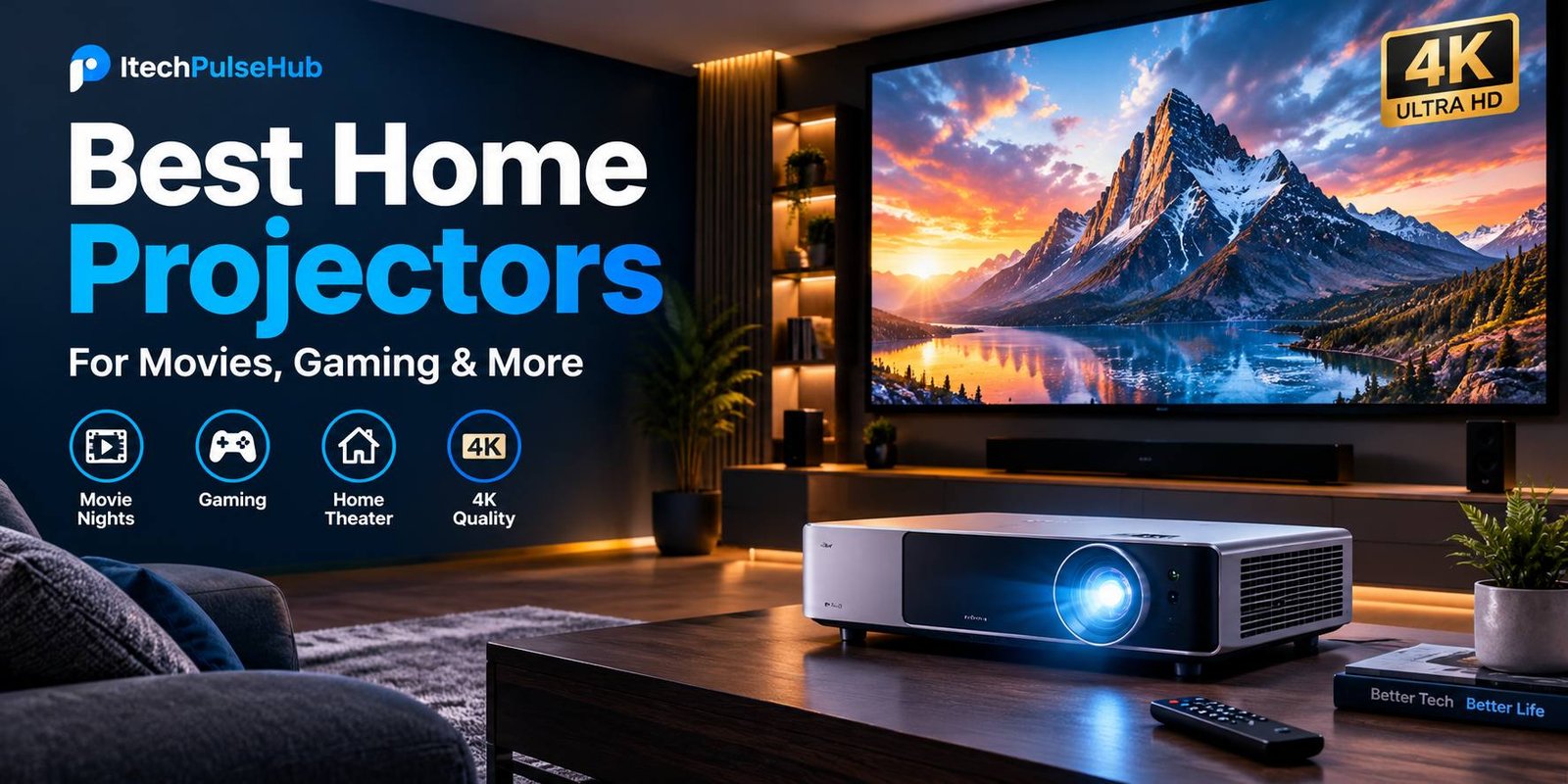
A good projector can turn an ordinary room into a personal movie theater. Whether you want to watch films, play games, follow sports, display presentations, or enjoy a large-screen experience at home, the right projector can make a noticeable difference.
However, choosing among the best home projectors is not simply about finding the model with the highest resolution or the biggest advertised screen size. Brightness, room conditions, throw distance, sound, connectivity, and your intended use all matter.
This guide explains the key features to consider before buying a home projector so you can choose an option that fits your room and entertainment needs.
What Is a Home Projector?
A home projector is a display device that projects video, images, or other content onto a wall or screen. Instead of relying on a television panel, it creates a much larger viewing area by sending light through an optical system.
Projectors are available in many sizes and configurations. Some are designed for permanent home theater installations, while compact models are intended for bedrooms, small rooms, or occasional use.
Why Are Home Projectors Popular?
The biggest attraction is screen size. A projector can create a much larger picture than many similarly priced televisions.
They can also provide a flexible setup for people who want a dedicated movie or gaming environment without installing a very large TV.
What Should You Look for in a Home Projector?
Before choosing a projector, think about where you will use it and what you expect from it.
Resolution
Resolution describes how many pixels the projector uses to create an image.
Common options include:
- 720p
- 1080p Full HD
- 4K UHD
- Higher-end 4K-class technologies
For movies and everyday entertainment, Full HD can provide a sharp image at a reasonable cost. If you have a larger budget and want greater detail, a 4K-capable projector may be worth considering.
Brightness
Brightness is especially important for projectors because the surrounding room affects how the image looks.
A projector used in a dark room does not have the same brightness requirements as one operating in a room with windows or lamps.
When comparing models, pay attention to the manufacturer’s brightness measurement and avoid judging performance solely from marketing claims.
Contrast
Contrast affects how clearly the projector can distinguish dark areas from bright areas.
A projector with good contrast can make shadows and dark scenes appear more convincing. This can be particularly important for movies with nighttime scenes or low-light cinematography.
Throw Distance Matters
Throw distance refers to the space between the projector and the projection surface.
Different projectors are designed for different distances. A standard model may need considerable room behind the viewing area, while a short-throw or ultra-short-throw projector can create a large image from a much closer position.
Short-Throw Projectors
Short-throw models are useful when you do not have much space available.
They can be a good choice for:
- Small rooms
- Apartments
- Bedrooms
- Dedicated gaming spaces
- Setups where the projector needs to sit close to the wall
Before purchasing one, check the manufacturer’s recommended image size and placement distance.
Lamp, LED, and Laser Light Sources
The light source is another important difference between projectors.
Traditional Lamp Projectors
Lamp-based projectors have been used for many years and can provide strong brightness. However, lamps have a limited operating life and eventually need replacement.
LED Projectors
LED models generally use an LED light source rather than a traditional replacement lamp. They can be convenient for casual home use and compact projector designs.
Laser Projectors
Laser technology is used in many premium projectors. It can offer long operating life and consistent light output, although laser models can cost considerably more.
The best choice depends on your budget, expected usage, and the type of installation you want.
Home Theater vs Casual Entertainment
Not everyone needs the same projector.
Home Theater Setup
If you are creating a dedicated movie room, prioritize:
- High image quality
- Strong contrast
- Accurate colors
- Suitable brightness
- Quiet operation
- Good placement flexibility
A dedicated theater environment gives you more control over lighting, which can make image quality easier to optimize.
Casual Home Use
For occasional movies, TV shows, or gaming, you may prefer a smaller and simpler projector.
Features such as built-in streaming, compact dimensions, wireless connectivity, and easy setup can be more useful than advanced theater specifications.
Gaming on a Home Projector
A large projected image can make gaming more immersive, but gamers should look beyond resolution.
Input Lag
Input lag describes the delay between an action from the controller and the corresponding response appearing on screen.
For competitive games, lower input lag is generally preferable.
Refresh Rate
A suitable refresh rate can contribute to smoother motion, particularly with fast-paced games.
However, projector specifications can vary significantly, so check the exact gaming modes and supported resolutions before buying.
Built-In Smart Features
Some modern projectors include smart operating systems or streaming features.
These may allow you to access supported streaming services without connecting a separate streaming device.
Are Smart Features Necessary?
Not necessarily.
If you already own a streaming stick, game console, smart TV device, or media player, built-in software may be less important.
For a simple all-in-one setup, however, integrated streaming features can make everyday use more convenient.
Connectivity Options
Check the available ports before purchasing.
Useful connections can include:
- HDMI
- USB
- Audio output
- Ethernet
- Wi-Fi
- Bluetooth
HDMI is particularly important because many gaming consoles, laptops, streaming devices, and media players use it.
Wireless Connectivity
Wireless features can reduce cable clutter and make it easier to connect compatible devices. However, wired connections may still be preferable when reliability and low latency are important.
Built-In Speakers
Many projectors include speakers, but their quality varies.
Built-in audio can be perfectly adequate for casual viewing, especially in a small room. For a more cinematic experience, an external soundbar, speaker system, or home theater setup will usually provide stronger audio.
Do You Need External Audio?
Consider external speakers if you want:
- More powerful sound
- Better dialogue clarity
- Wider stereo separation
- Deeper bass
- A theater-style experience
Choosing the Right Screen Size
A projector’s advertised maximum screen size should not be the only factor in your decision.
Your room size, viewing distance, projector placement, and brightness all affect the practical screen size.
A huge image is not automatically better. If the picture becomes too dim or viewers sit too close, the experience may actually become less enjoyable.
Wall or Projector Screen?
A clean white wall can work for casual viewing. However, a dedicated projector screen can provide a more consistent surface and may improve the overall presentation.
If you plan to use the projector regularly, investing in an appropriate screen can make sense.
Common Mistakes to Avoid
Buying a projector based on one specification can lead to disappointment.
Focusing Only on Resolution
A high-resolution projector can still look poor if it lacks sufficient brightness or is used in an unsuitable room.
Ignoring Room Lighting
Ambient light can wash out projected images. Consider how much natural and artificial light enters the room.
Forgetting Placement
Measure your room before buying. Make sure the projector can produce your desired image size from the available position.
Overlooking Noise
Some projectors have noticeable cooling-fan noise. If the device will sit close to your seating area, quieter operation may be important.
How to Choose the Best Home Projector for Your Needs
The right projector depends on your priorities.
For Movie Lovers
Focus on image quality, contrast, color performance, quiet operation, and suitable brightness.
For Gamers
Look closely at input lag, refresh-rate support, resolution, and connectivity.
For Small Rooms
Consider compact or short-throw models that can produce a large image without requiring a long installation distance.
For Outdoor Movie Nights
Portability, brightness, simple setup, and power requirements may be more important than advanced theater features.
Frequently Asked Questions
Are home projectors better than TVs?
Neither is automatically better. TVs are usually easier to use in bright rooms, while projectors can provide a much larger image and a more theater-like experience.
Is 1080p enough for a home projector?
For many users, yes. A good Full HD projector can provide a detailed picture for movies, games, and general entertainment.
Do projectors work during the day?
They can, but strong ambient light can reduce perceived contrast and make the image look washed out. Darker rooms generally produce better results.
How long can a projector last?
Lifespan depends on the light source, usage pattern, operating conditions, and manufacturer. LED and laser systems are often designed for long operating life, while traditional lamps eventually require replacement.
Can I connect a gaming console to a projector?
Yes. Most projectors designed for modern entertainment include HDMI or similar connections that can be used with compatible gaming consoles.
Do I need a projector screen?
No. A suitable wall can work for casual use. A dedicated screen can provide a more consistent viewing surface, particularly for a permanent setup.
Final Thoughts
Finding the best home projectors starts with understanding your room and your viewing habits. A projector that works beautifully in a dark movie room may not be the right choice for a bright living room, and a premium theater model may be unnecessary for occasional viewing.
Before buying, compare resolution, brightness, contrast, throw distance, light source, connectivity, sound, and gaming performance. Most importantly, make sure the projector fits the physical space where you plan to use it.
When these factors are considered together, it becomes much easier to choose a projector that delivers an enjoyable large-screen experience without paying for features you do not actually need.