Schoology: Complete Guide to Online Learning schoolgy
schoolgy introduction to Online Education and Schoology
In recent years, the landscape of education schoolgyhas shifted dramatically. Digital classrooms, hybrid learning environments, and virtual course management systems have become the backbone of modernschoolgy schooling. Among the various platforms available to educators, students, and parents, Schoology stands out as one of the most comprehensive Learning Management Systems (LMS). Designed toschoolgy streamline communication, foster collaboration, and simplify assignment tracking, Schoology acts as a centralized digital hub for academic success.
Whether you are a student trying to keep trackschoolgy of upcoming quizzes, a teacher looking to organize your digital gradebook, or a parent wanting to stay involved in your child’s education, mastering Schoology is essential. This guide covers everything you need to know about navigating, utilizing, and succeeding within the Schoology ecosystem.
What is Schoology?
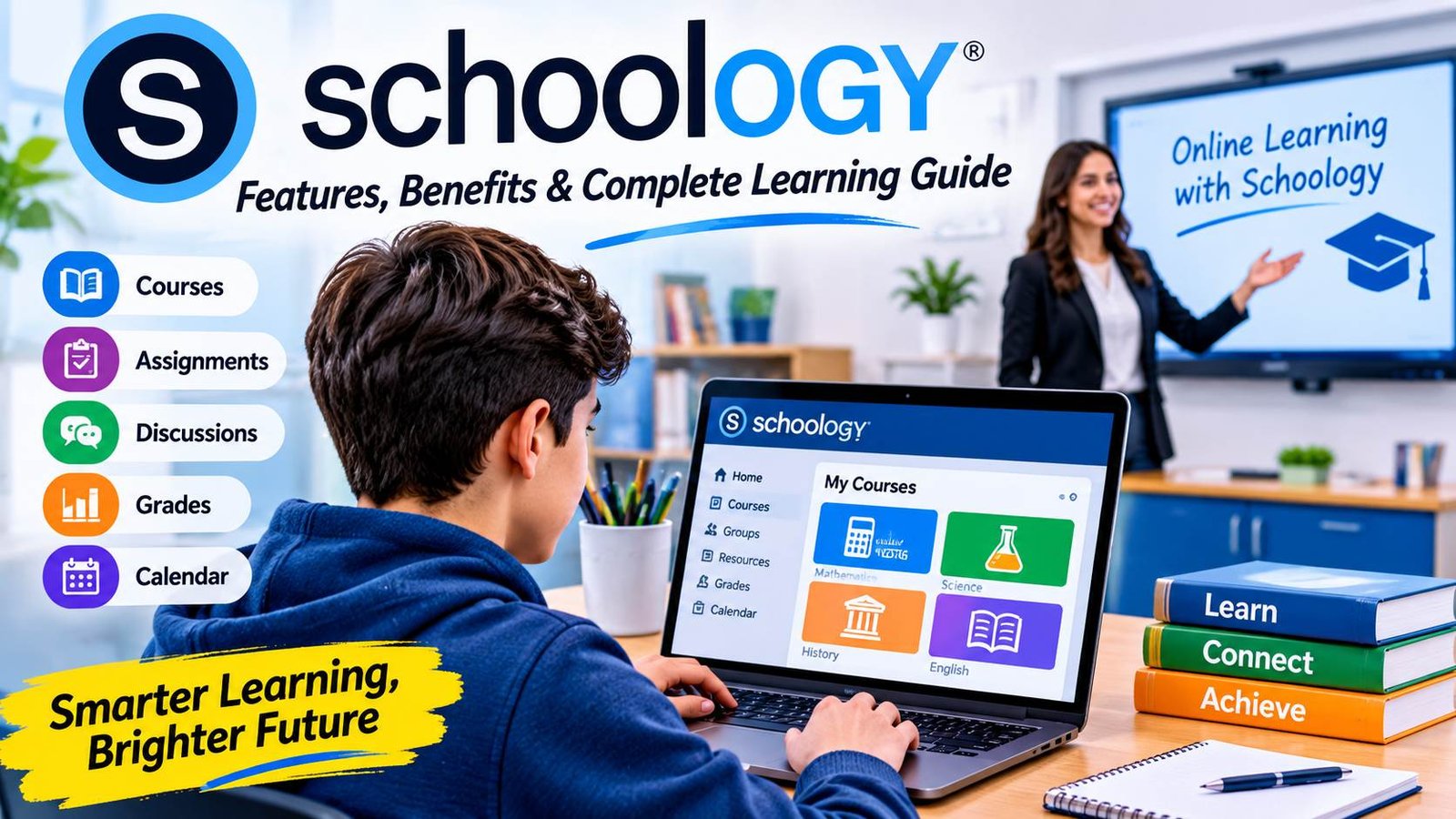
Schoology is a cloud-based learning management system that connects students, teachers, and parents in a secure online environment. Unlike traditional schooling methods where papers are handed out in physical classrooms, Schoology allows educators to create, deliver, and manage instructional content digitally.
Key Features of the Platform
- Course Materials: Teachers can upload PDFs, Word documents, videos, links, and interactive multimedia directly into course folders.
- Assignments and Assessments: Students can submit homework, take quizzes, and complete tests online with automated or manual grading options.
- Interactive Discussions: Discussion boards enable asynchronous communication, allowing students to debate topics, ask questions, and collaborate outside of school hours.
- Gradebook and Progress Tracking: Real-time grading features allow students and parents to monitor academic performance instantly.
- Calendar Integration: A built-in calendar highlights upcoming assignment due dates, tests, and live class meetings.
Getting Started: Creating and Accessing Your Account
To begin using Schoology, you first need to log in through your school district or educational institution’s portal. Because Schoology integrates with district-wide databases, accounts are typically pre-created by school administrators.
Logging In
- Navigate to your school’s specific Schoology URL or the main Schoology login page.
- Enter your assigned email address or username and password.
- If your school uses Single Sign-On (SSO) like Google or Microsoft, click the respective button to log in seamlessly with your school credentials.
Navigating the Home Page
Once logged in, you will land on your primary dashboard, which serves as your home base. Key sections include:
- Recent Activity: A social-media-style feed showing updates, announcements, and posts from your teachers and courses.
- Courses Tab: A dropdown menu listing all the classes you are currently enrolled in or teaching.
- Groups Tab: Access to extracurricular clubs, sports teams, or school-wide committees.
- Calendar Icon: Your schedule at a glance, highlighting deadlines and events across all classes.
- Messages: A direct communication tool allowing you to message teachers or peers privately.
For Students: Mastering Online Learning on Schoology
Using an LMS effectively requires strong organizational habits. Here is how students can make the most out of Schoology to boost their grades and stay stress-free.
1. Staying Organized with Course Folders
Teachers usually organize their pages into folders by units, weeks, or quarters. Make it a habit to check the primary course folder for the current week. Download necessary readings ahead of time so you can review them even if you lose internet connectivity.
2. Submitting Assignments Correctly
When an assignment is due, navigate to the specific assignment link within your course page.
- Click the Submit Assignment button on the top right.
- Choose whether to upload a file from your computer (such as a Google Doc, PDF, or Word file) or create a resource directly within Schoology.
- Double-check that your file has uploaded successfully before clicking Submit. Always look for the green confirmation banner.
3. Engaging in Discussion Boards
Online discussions are a major part of virtual learning. When participating:
- Read the prompt thoroughly and address all parts of the question.
- Maintain a respectful, academic tone when replying to your peers.
- Meet deadlines early so your classmates have time to read and respond to your posts.
4. Monitoring Your Grades
Do not wait until the end of the grading period to check your performance. Click on Grades in the top navigation bar to view individual assignment scores, teacher feedback, and your overall cumulative grade for each course. If you see a missing assignment or a low score, use the built-in messaging feature to politely ask your teacher for clarification or a chance to revise.
For Teachers: Building an Engaging Digital Classroom
For educators, Schoology offers powerful tools to design structured, accessible, and engaging courses.
1. Structuring Your Course Page
A cluttered course page overwhelms students. Keep your layout clean by:
- Using clear naming conventions for folders (e.g., Unit 1: Foundations of Algebra (Sept 1 – Sept 15)).
- Pinning important documents, such as the course syllabus and grading policy, to the very top of the page.
- Archiving old units once they are completed to keep the interface clean.
2. Designing Effective Assessments
Schoology supports various question types, including multiple-choice, true/false, short answer, fill-in-the-blank, and matching.
- Use Time Limits for quizzes to maintain academic integrity.
- Enable Randomize Questions or Randomize Answers to prevent students from sharing exact answer sequences.
- Provide meaningful feedback using the rubric grading tool so students understand why they lost points.
3. Fostering Collaboration
Break students into small groups using the Groups or Material-Level Access features. Assign collaborative projects where students can upload shared documents, peer-review drafts, and engage in constructive feedback loops.
For Parents: Staying Involved in Your Child’s Education
Schoology provides a dedicated Parent Account view that bridges the communication gap between home and school.
Why Use the Parent Portal?
- Real-Time Grade Visibility: See how your child is performing on individual quizzes, tests, and projects without waiting for report cards.
- Assignment Tracking: View upcoming homework and test dates so you can help your child manage their study schedule effectively.
- Direct Teacher Communication: Easily message instructors if you have questions or concerns about your child’s progress.
- Activity Feeds: Stay informed about school-wide announcements, upcoming holidays, and extracurricular events.
Best Practices and Troubleshooting Tips
Even with a reliable platform like Schoology, technical hiccups or organizational challenges can occur. Keep these best practices in mind:
- Keep Notifications Enabled: Adjust your notification settings so you receive email or mobile alerts for important announcements, upcoming due dates, and grade updates.
- Use Supported Browsers: Schoology performs best on modern browsers like Google Chrome, Mozilla Firefox, or Microsoft Edge. Ensure your browser is up to date.
- Clear Your Cache: If pages are loading slowly or buttons are unresponsive, clearing your browser cache and cookies often resolves the issue.
- Communicate Early: If you experience technical difficulties submitting an assignment right before a deadline, take a screenshot of the error message and email your teacher immediately.
Conclusion
Schoology has revolutionized how students learn, teachers instruct, and parents participate in education. By centralizing assignments, communication, and grading into a single digital platform, it eliminates the chaos of lost papers and missed deadlines. Whether you are setting up your first online classroom, submitting your final project of the semester, or tracking your student’s academic journey, embracing the tools and features outlined in this guide will ensure a smooth and successful online learning experience.