Banned Apps: Complete Guide to Restricted Applications
Introduction
In today’s digital world, mobile applications have become an essential part of our daily lives. From communication and entertainment to business and education, apps power almost everything we do. However, not all apps are considered safe or trustworthy. Some applications get restricted or banned due to security concerns, privacy violations, or legal issues. These are commonly referred to as banned apps.
What Are Banned Apps?
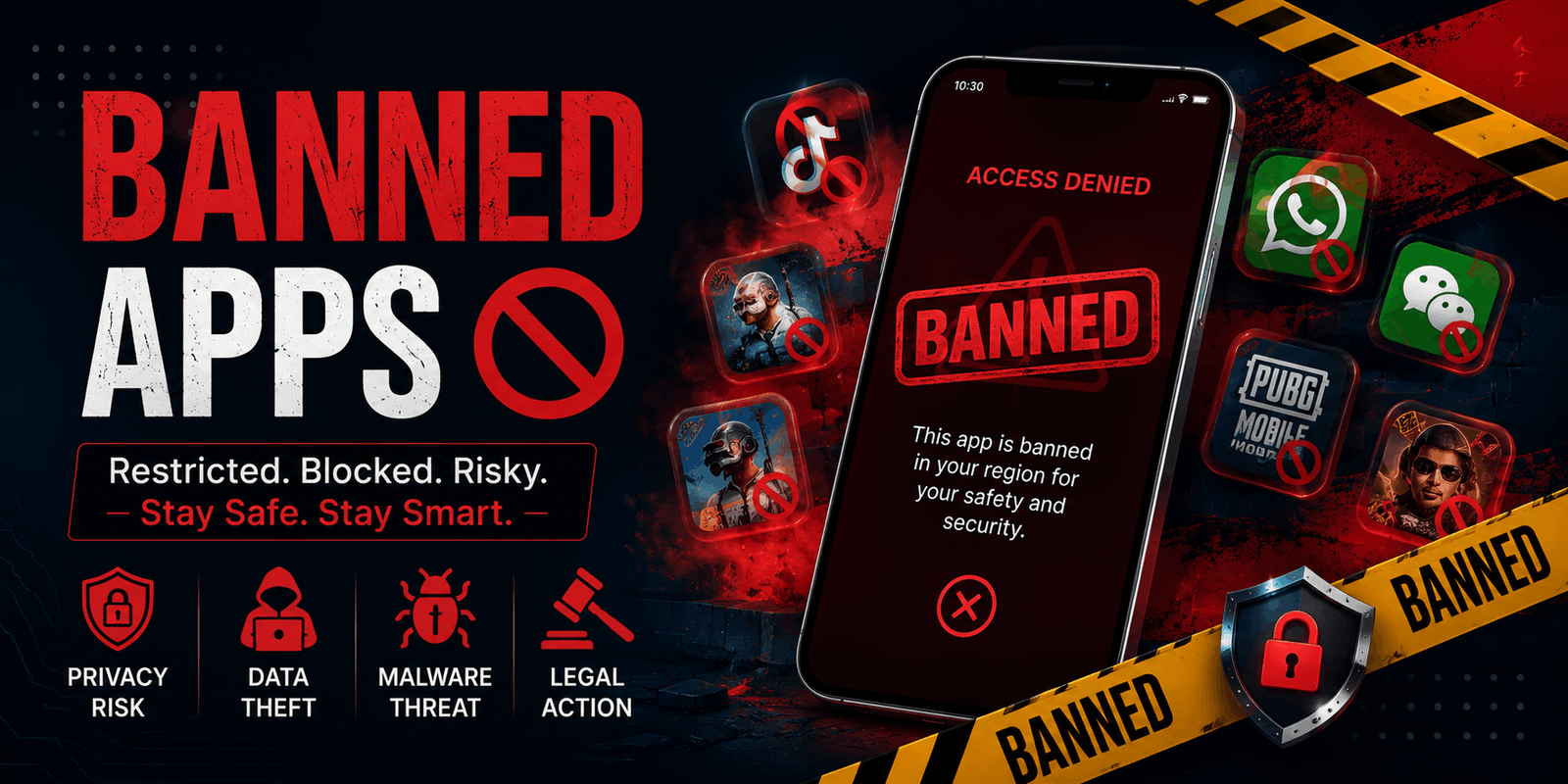
Banned apps are mobile or web applications that are officially restricted or prohibited by governments, organizations, or app stores. Once an app is banned, users are typically not allowed to download, install, or use it legally within a specific region.
These bans can apply to:
- Social media platforms
- Gaming apps
- Messaging apps
- Utility tools
The main goal behind banning apps is to protect users and national interests.
Why Are Apps Banned?
There are several reasons why an app may be banned. Below are the most common causes:
1. Data Privacy Concerns
Many apps collect user data such as location, contacts, messages, and browsing habits. If an app is found misusing or sharing this data without consent, it may be banned.
2. National Security Issues
Some apps are banned because they are suspected of collecting sensitive information that could threaten a country’s security.
3. Harmful or Illegal Content
Apps that promote violence, illegal activities, or inappropriate content may be restricted.
4. Cybersecurity Risks
Apps that contain malware, spyware, or vulnerabilities can be dangerous for users and are often banned.
5. Policy Violations
If an app violates app store policies (Google Play or Apple App Store), it can be removed or banned.
Popular Examples of Banned Apps
Over the years, several well-known apps have faced bans in different countries. Some notable examples include:
- TikTok (in certain regions at different times)
- PUBG Mobile (temporarily banned in some countries)
- Certain VPN applications
- Unauthorized streaming apps
These bans often depend on regional laws and regulations.
Risks of Using Banned Apps
Using banned apps can expose users to serious risks. Here are some important dangers:
1. Legal Consequences
In some countries, using banned apps can lead to fines or legal action.
2. Data Theft
Banned apps may not follow security standards, putting your personal information at risk.
3. Malware and Viruses
Many banned apps are distributed through unofficial sources, increasing the risk of malware.
4. No Updates or Support
Since the app is banned, it will not receive updates or bug fixes, making it unsafe over time.
5. Financial Risks
Some apps may steal banking information or perform unauthorized transactions.
How Governments Ban Apps
Governments use different methods to restrict apps, including:
- Blocking app downloads from official stores
- Restricting internet access to app servers
- Issuing legal orders to companies
- Collaborating with telecom providers
These measures ensure that the app becomes inaccessible to users.
How to Check If an App Is Banned
Before downloading any app, it’s important to verify its status. Here’s how:
- Check official government announcements
- Search on trusted news websites
- Look for availability on Google Play Store or Apple App Store
- Read user reviews and ratings
If an app is not available on official stores, it could be restricted.
Safe Alternatives to Banned Apps
Instead of using banned apps, consider these safer options:
1. Official App Store Apps
Always download apps from trusted platforms like Google Play or Apple App Store.
2. Open-Source Applications
These apps are transparent and often more secure.
3. Regionally Approved Apps
Use apps that comply with your country’s laws and regulations.
4. Privacy-Focused Apps
Choose apps that prioritize user data protection and encryption.
Tips to Stay Safe Online
Here are some practical tips to protect yourself:
- Avoid downloading APK files from unknown websites
- Use antivirus software on your device
- Check app permissions before installing
- Keep your apps updated
- Use strong passwords and two-factor authentication
Impact of Banned Apps on Users and Businesses
Banning apps affects both individuals and businesses:
For Users
- Loss of favorite platforms
- Need to switch to alternatives
- Improved security and privacy
For Businesses
- Loss of revenue
- Reduced market reach
- Need to comply with regulations
Future of App Regulations
As technology evolves, governments are becoming more strict about digital security. In the future, we can expect:
- Stronger data protection laws
- More transparency from app developers
- Increased focus on cybersecurity
- Better user awareness
This means users will have safer digital experiences.
Conclusion
Banned apps are not just about restrictions—they are about protecting users, data, and national security. While it may be frustrating to lose access to certain apps, it is important to understand the reasons behind these decisions.
Instead of taking risks with banned applications, always choose safe and legal alternatives. Staying informed and cautious will help you enjoy a secure and smooth digital experience.